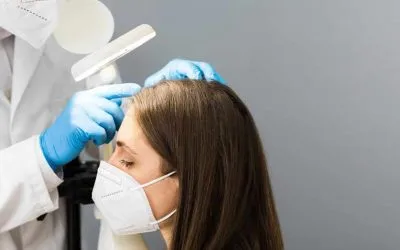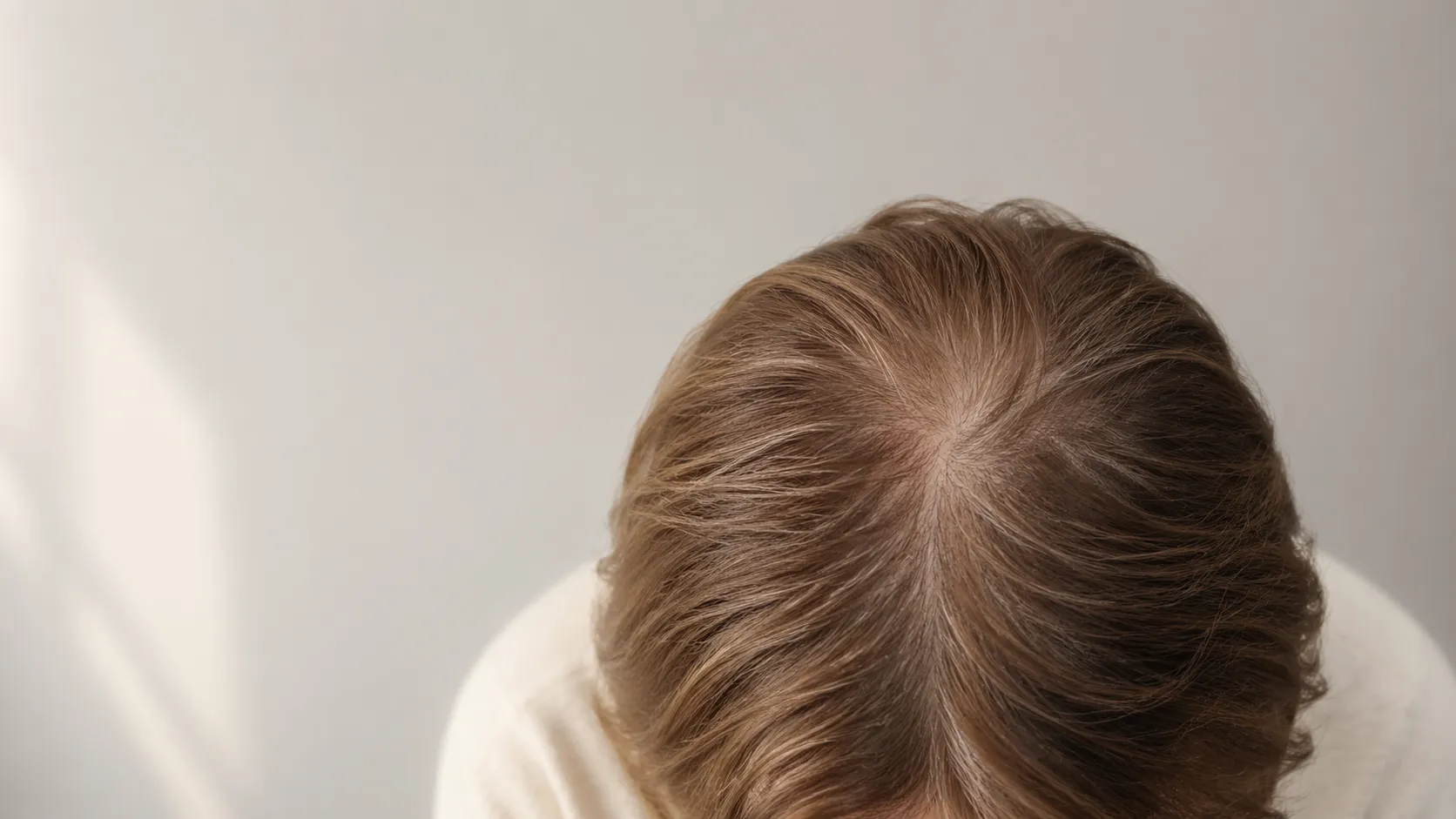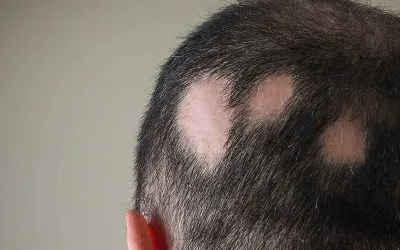

Hormones control the hair's life cycle, and even small fluctuations can trigger marked hair loss. Pregnancy, the menopause and thyroid disease are among the most common hormonal causes — particularly in women.
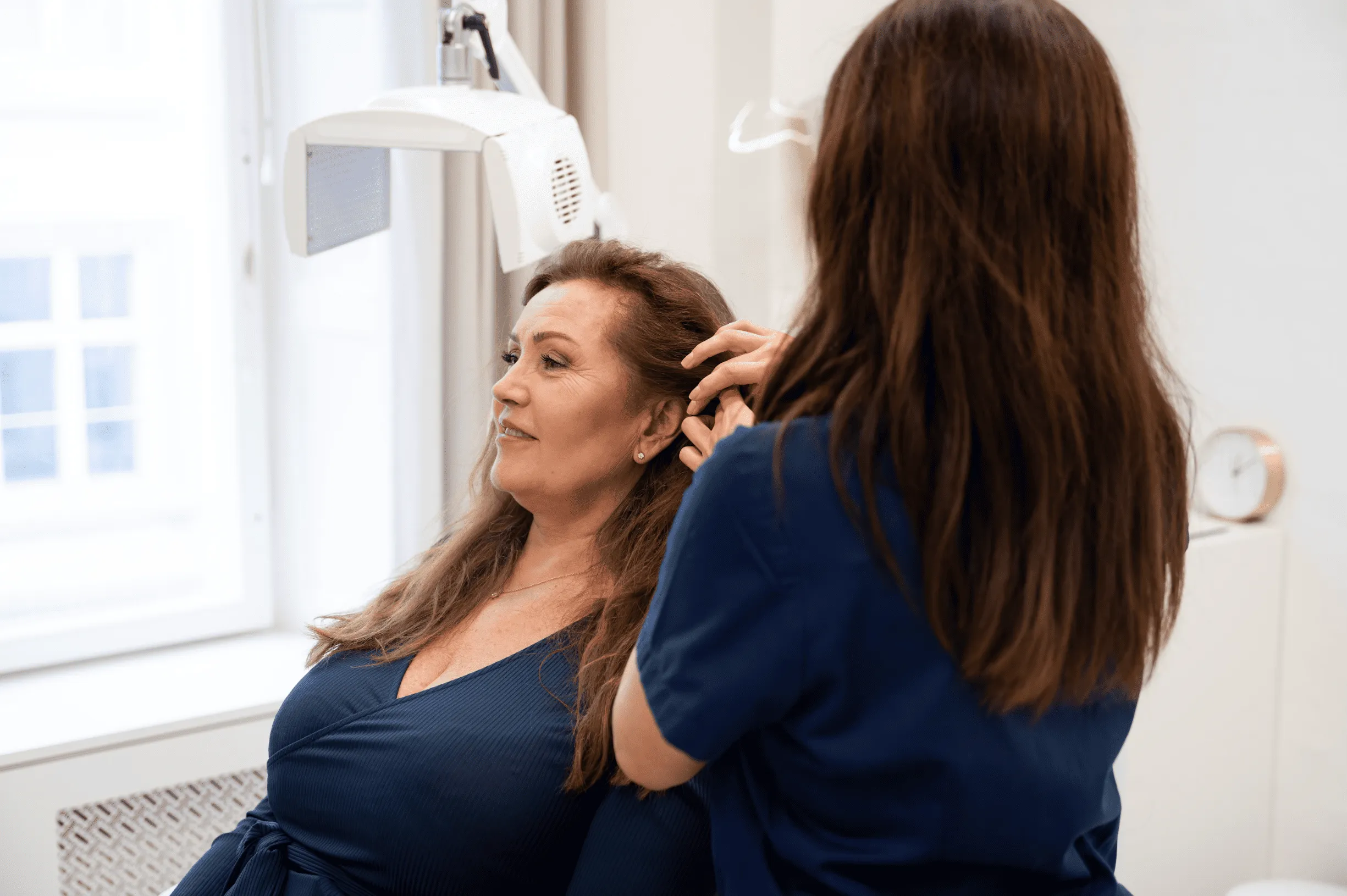
Hormones control the hair's growth cycle. Understand how pregnancy, menopause, the pill and the thyroid gland can trigger hair loss — and what you can do.
Hormones play a central role in the hair's life cycle. They affect how quickly the hair grows, how long it remains in the growth phase, and how many hairs fall out at a time. Even small hormonal fluctuations can therefore be noticed in the hair — and in women it is one of the most common causes of hair loss.
During pregnancy the oestrogen level rises markedly, and this extends the hair's growth phase. Many women therefore experience that the hair becomes thicker and fuller during this period, because fewer hairs fall out than normal.
After childbirth the oestrogen level quickly falls back to its starting point, and all the hairs that "stayed put" during pregnancy enter the resting phase and fall out at the same time. This is called postpartum telogen effluvium and is typically experienced 2-4 months after childbirth. The condition is temporary and usually returns to normal within 6-12 months.
In the years leading up to and after the menopause, women's oestrogen production gradually decreases, while the level of androgens (male sex hormones) takes on a relatively greater significance. This can trigger or worsen female pattern hair loss, a form of androgenetic alopecia, where the hair becomes thinner over the top of the head.
The symptoms can develop over several years and are often combined with other menopause-related changes such as dry hair and slower growth.
Both an overactive (hyperthyroidism) and underactive (hypothyroidism) thyroid gland can trigger marked hair loss. Thyroid hormones regulate the body's metabolism, and when they are out of balance, the hair follicles can react by entering the resting phase earlier.
The hair loss is typically diffuse and affects the whole head. Other symptoms of thyroid problems can be fatigue, weight changes, chills or palpitations. A simple blood test at the doctor can clarify whether the thyroid gland is the cause.
Both starting and stopping the pill can affect the hair. Some contraceptive pills contain hormones with an androgenic effect that can worsen hair loss in predisposed women. Stopping the pill can also trigger a form of telogen effluvium, because the hormone balance changes abruptly.
If you change or stop hormonal contraception and experience increased hair loss, it is worth taking into consideration — but the effect is typically temporary.
Polycystic ovary syndrome (PCOS) is a hormonal imbalance where the body produces too much androgen. This can cause female pattern hair loss on the head, together with increased hair growth on the face and body, irregular menstruation and other symptoms. The treatment requires a medical assessment and may include hormone-regulating medication.
If you suspect that hormones are behind your hair loss, a blood test is the first step. It can clarify levels of oestrogen, testosterone, thyroid hormones and other relevant markers. The treatment depends on the cause — from stabilising the thyroid gland, adjusting contraception or hormone treatment during the menopause, to more targeted treatments such as V2X, minoxidil or hair transplantation, if the hair loss is established.
A thorough hair analysis combined with blood tests gives the clearest picture of what is happening, and which treatment will work for you specifically.
Book a free 15-min consultation — no obligations, just an honest assessment of your situation and options.