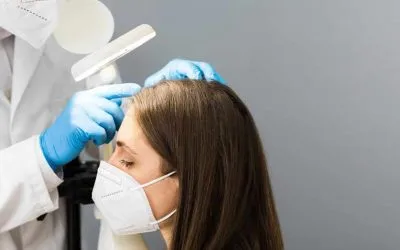

Up to 50 per cent of men experience visible hair loss before they turn 50, and women actually make up around 40 per cent of all those with hair loss problems. Knowing your cause is the first step towards the right treatment.
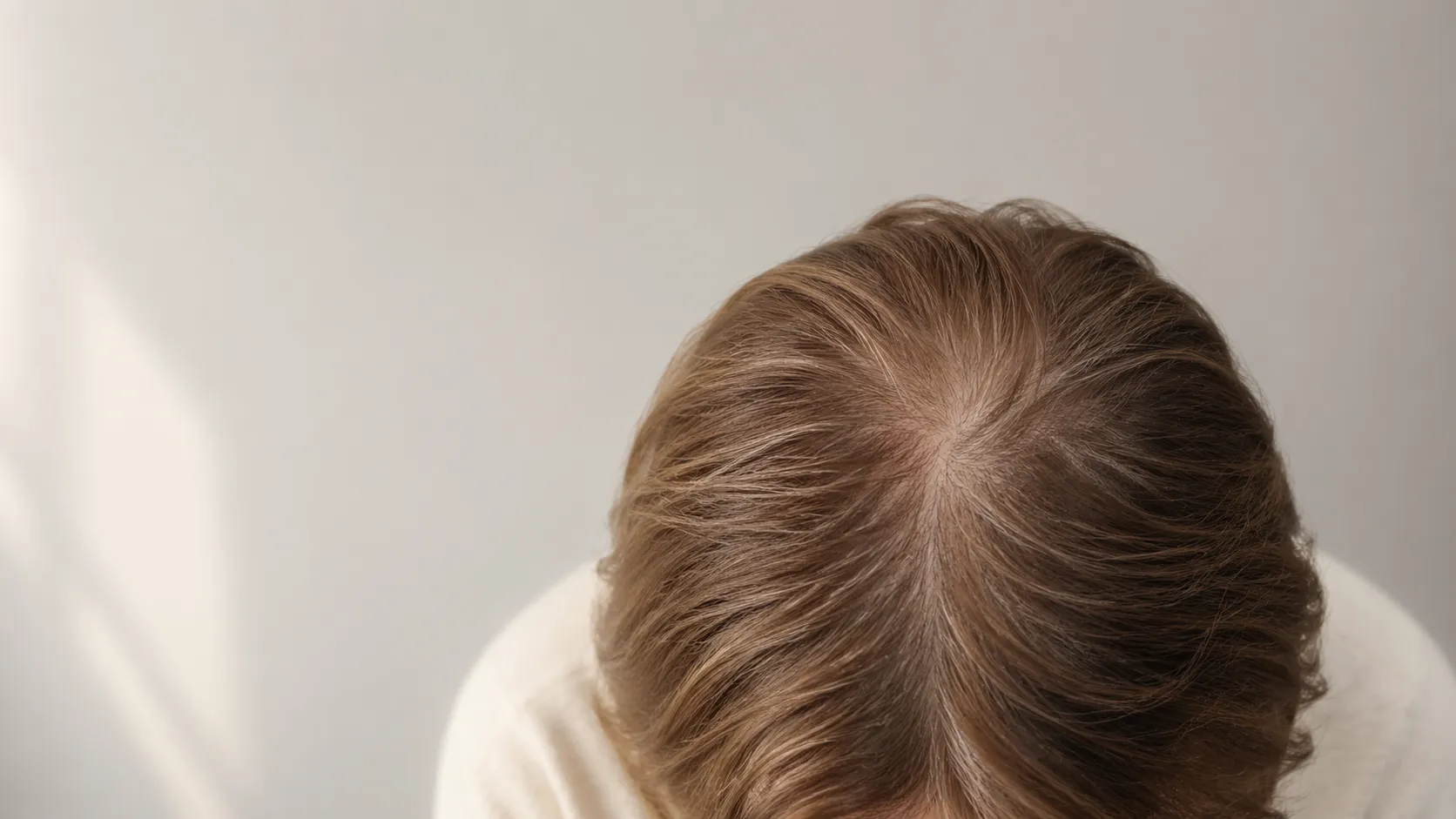
Stress, genetics, vitamin deficiency, hormonal changes and more. Here are the most common causes of hair loss in men and women, and what you can do about it.
Hair loss affects far more people than most think. According to research, up to 50 per cent of men experience visible hair loss before they turn 50, and women actually make up around 40 per cent of all those with hair loss problems. Nevertheless, it is a subject many carry alone, because it can feel difficult to talk about.
The causes of hair loss are many and often complex. Knowing your cause is the first step towards the right treatment. Here we go through the most widespread.
Androgenetic alopecia, popularly known as hereditary baldness, is the most common cause of hair loss worldwide. It is caused by a genetic sensitivity to DHT, a by-product of testosterone, which gradually causes the hair follicles to shrink and produce ever thinner hair.
In men it typically starts at the temples or the crown and spreads from there. In women it most often shows up as a general thinning over the top of the head, while the hairline remains fairly intact. The condition is progressive, but can be effectively slowed with the right treatments.
Short-term stress is rarely noticed in the hair, but prolonged or intense stress can trigger a condition called telogen effluvium, where an abnormally large number of hairs switch to the resting phase at the same time and fall out after 2 to 3 months.
The good thing is that stress-related hair loss is almost always reversible. When the source of stress is removed and the body finds balance, the hair typically begins to grow again. The process takes time, often 6 to 12 months, but the outlook is favourable.
Hormones play a central role in the hair's life cycle. Pregnancy, childbirth, the menopause and diseases of the thyroid gland are all known causes of hormonally induced hair loss. Women are particularly vulnerable during these periods, because the oestrogen level, which normally protects the hair follicles, falls markedly.
Hormonal hair loss can be examined and confirmed with a blood test. In many cases the hair growth returns to normal when the hormone level stabilises, but it can take time and require treatment.
Iron, zinc, vitamin D and B12 are all nutrients that are necessary for healthy hair growth. A deficiency in just one of them can manifest as increased hair loss. Iron deficiency in particular is widespread, especially in women with heavy periods or a low meat intake.
A blood test at your doctor can quickly reveal whether you are lacking specific nutrients. Supplements should be tailored to the actual need and not taken indiscriminately.
Repeated colouring, bleaching, perming and heat treatment can over time weaken the hair structure and lead to breakage and hair loss. This is not loss from the root, but mechanical and chemical damage to the hair strand itself.
Tight hairstyles such as ponytails, braids and extensions can also cause traction alopecia, a hair loss that starts at the hairline and can become permanent if it is not stopped in time.
Certain illnesses and medicines are known causes of hair loss. Chemotherapy is the most well-known example, but beta blockers, blood-thinning medication, antidepressants and high doses of vitamin A can also trigger hair loss. Autoimmune diseases such as alopecia areata, lupus and psoriasis likewise affect the hair follicles directly.
If you suspect that your medication is the cause, you should always talk to your doctor before stopping the treatment.
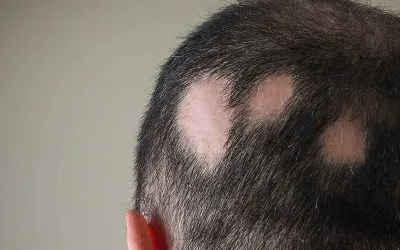
Alopecia areata is an autoimmune disorder where the body's own immune system attacks the hair follicles. It results in sudden, round patches of hair loss, most often on the scalp, but it can also affect the eyebrows, eyelashes and body.
The condition can come and go and is not contagious. The cause is not fully understood, but stress and genetics are thought to play a role. If you experience sudden patchy baldness, you should contact your doctor.
Book a free 15-min consultation — no obligations, just an honest assessment of your situation and options.