
Lupus, also known by the term SLE, is a rare autoimmune disease in which the body's own immune system not only works against bacteria in the body, but also turns against the body's own
Lupus, also known by the term SLE, is a rare autoimmune disease in which the body's own immune system not only works against bacteria in the body, but also turns against the body's own
Lupus, also known by the term SLE, is a rare autoimmune disease in which the body's own immune system not only works against bacteria in the body, but also turns against the body's own cells.
The body's immune system thus attacks perfectly normally functioning and harmless cells in the body, which can cause a wide range of symptoms. Although lupus is most often seen in women, up to 10% of all cases of the disease affect men. It is still uncertain what causes the disease, and it can therefore also be difficult to diagnose. However, blood tests can show irregularities that may point to an autoimmune mechanism in which antibodies against the body's own cells have formed. The disease can affect almost all of the body's organs, including the kidneys, heart, lungs, joints, skin, blood vessels and the brain. Lupus means wolf, and the reason the disease has been given this nickname is that the disease often strikes unpredictably with an aggressive course, which can, among other things, lead to skin damage on the face that may resemble a wolf bite.
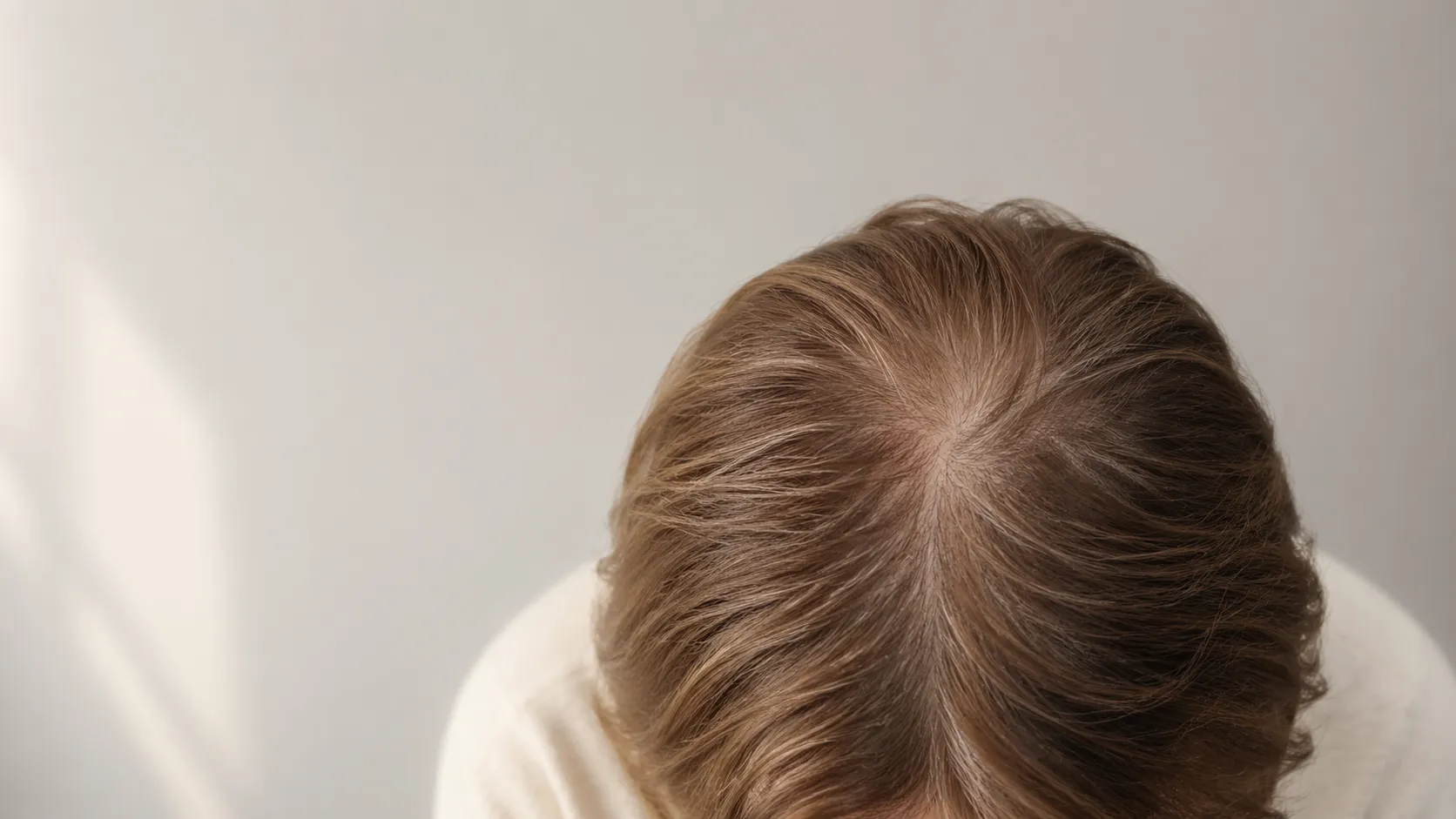
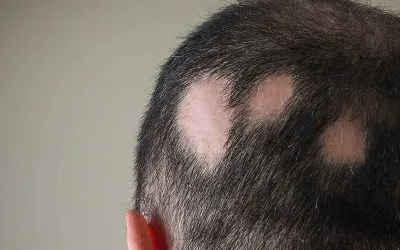
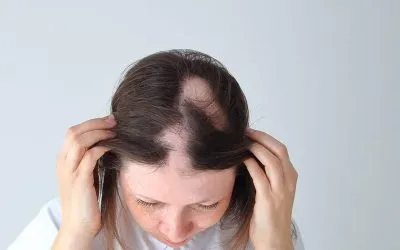
As a result of the heavy impact on the immune system, some patients will experience hair loss during periods of the disease. This hair loss is most often seen either in the form of patchy hair loss or through a thinning of the hair.
The hair will for the most part grow back, but in severe cases of lupus it may be necessary, or specifically desired by the patient, to treat the hair loss. Through treatment of the hair loss, an attempt will be made to restore hair production. There will of course be differences in responsiveness to the treatment, especially since lupus is a disease with great diversity.
In some cases, too much scar tissue will have formed in the scalp for it to be possible to restore natural hair production. In those cases, it will instead be possible to use hair transplants as a treatment option.
Book a free 15-min consultation — no obligations, just an honest assessment of your situation and options.