
Telogen effluvium, also known as sporadic hair loss, is a hair loss condition characterised by not being hereditary, but instead caused by environmental


Telogen effluvium, also known as sporadic hair loss, is a hair loss condition characterised by not being hereditary, but instead caused by environmental
Chronic telogen effluvium is sporadic hair loss that is not hereditary but triggered by, for example, stress, trauma, pregnancy, surgery or weight loss. If the hair loss lasts more than 6 months, it is called chronic. The hair follicles are not lost, so the condition can be treated.
Telogen effluvium, also known as sporadic hair loss, is a hair loss condition characterised by not being hereditary, but instead caused by environmental or external factors.
Telogen effluvium is a kind of reactive hair loss that is most often caused by extreme stress or by a traumatic event, but this condition can also be caused by other physical changes such as pregnancy, surgery, significant weight loss or malnutrition.
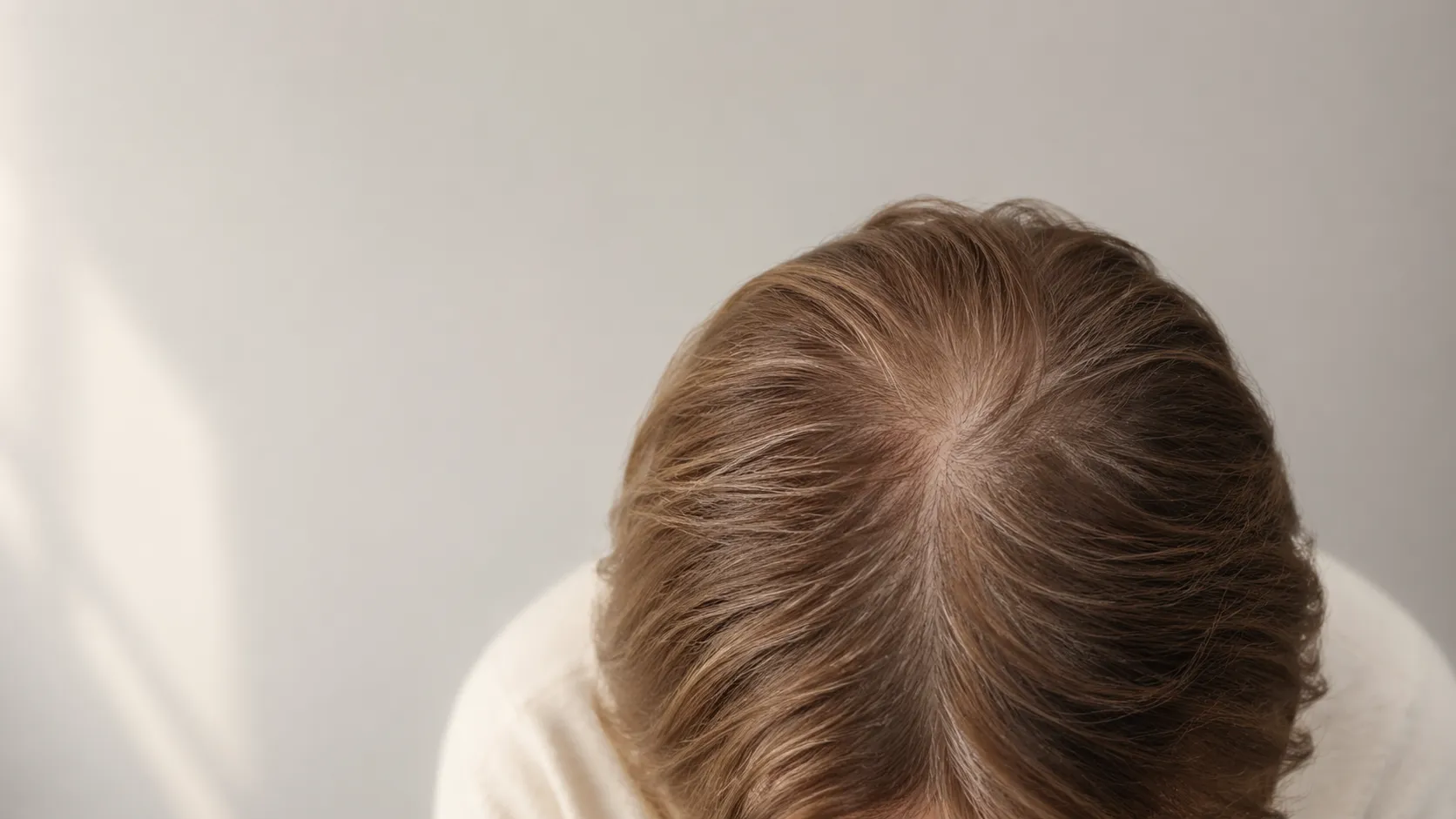
If the hair loss continues for more than 6 months, the condition is then classified as chronic. With sporadic hair loss, there is a clear thinning of the hair across the entire scalp, but there is no loss of follicles. This is precisely what helps make the condition relatively easy to treat, as it is in fact still possible for the body to grow hair.
So all hope is not lost if this is the type of hair loss you are affected by.
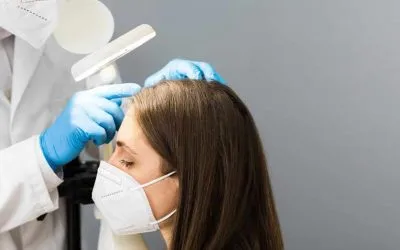
People with telogen effluvium are often seen in hair loss clinics, and it is very much a condition that can be treated. The treatment of chronic telogen effluvium is slightly different from both ordinary telogen effluvium and other conditions associated with hair loss.
As this condition has developed into a chronic one, treatment does not focus solely on the symptoms in the same way; instead, it goes deeper and also addresses the underlying cause of the hair loss, thereby working with the stressful event that triggered the onset of the hair loss. Since with telogen effluvium you do not lose hair roots and therefore still have the ability to grow hair, it is more important to look at the person's general state of health, both mental and physical.
However, the sporadic hair loss is treated at the same time as treating the cause in order to achieve the very best result.
Sporadic hair loss that is not hereditary but triggered by external factors. If it lasts longer than 6 months, it is called chronic.
Most often extreme stress or a traumatic event. Pregnancy, surgery, major weight loss and malnutrition can also trigger it.
Yes. The hair follicles are not lost, so the body can still produce hair, which makes the condition relatively easy to treat.
With the chronic form, both the hair loss and the underlying cause are treated to achieve the best result.
Written by
Pilorum
Speciallæge Plastikkirurg
Vi har stor erfaring og bred viden om hårtab hos både mænd og kvinder. Vi gør meget ud af at dele ud af den nyeste viden og de bedste råd, så du kan få et indblik i årsagerne til dit hårtab og de mulige behandlinger, der findes. Gennem vores lange erfaring vil du få en grundig forståelse for, hvad der kan føre til et hårtab, og hvordan du kan håndtere det. Vil du vide mere om dit hårtab, har du også mulighed for at booke en gratis konsultation hos os, hvor vi undersøger dine behandlingsmuligheder.
Medically reviewed by
Per Bjerregaard
Book a free 15-min consultation — no obligations, just an honest assessment of your situation and options.