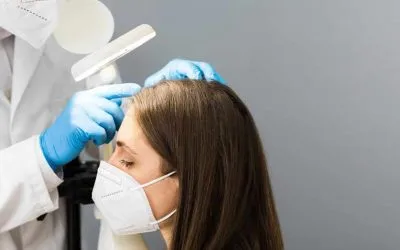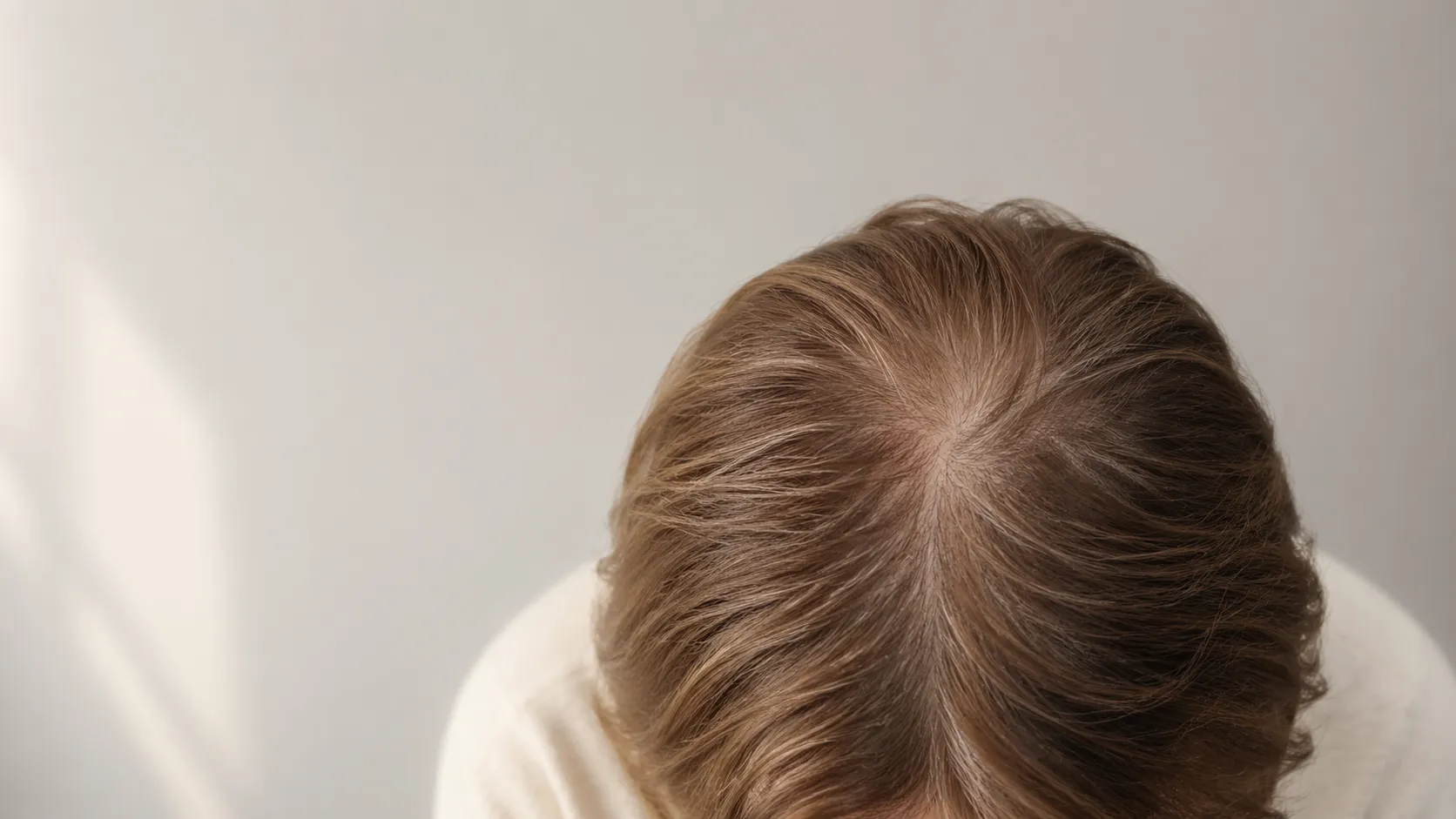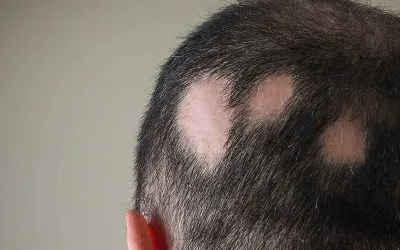

One of the more common forms of hair loss is traction alopecia. This form of hair loss is caused by an overstraining of the hair follicles, which can typically be caused by prolonged, constant pulling
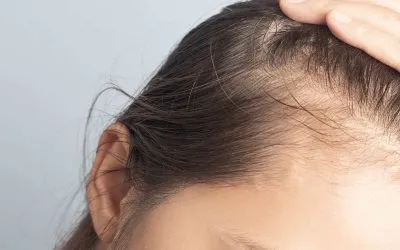
One of the more common forms of hair loss is traction alopecia. This form of hair loss is caused by an overstraining of the hair follicles, which can typically be caused by prolonged, constant pulling
One of the more common forms of hair loss is traction alopecia. This form of hair loss is caused by an overstraining of the hair follicles, which can typically be caused by prolonged, constant pulling on the hair. Traction alopecia usually affects the hairline most, resulting in hair loss at the front of the scalp and at the temples.
The main cause of this form of hair loss is hairstyles that put the hair roots under constant pressure. Although this condition is most often seen in women, who more often wear hairstyles that can strain these areas, it is also quite common to see in men with braids and dreadlocks. Overuse of hair extensions is also often a cause of traction alopecia.
Depending on how badly the hair and follicles are damaged, it is possible to treat traction alopecia. If the follicles are so damaged that they have completely stopped producing hair, treatment will no longer be effective. However, it is always worth a try to see how the hair responds.
If the follicles are still able to produce hair, treatment can stimulate hair growth in the damaged areas, helping the follicles to resume hair production. After treatment, however, it is important that the treated areas are not put under pressure again, as the follicles are already vulnerable.
Book a free 15-min consultation — no obligations, just an honest assessment of your situation and options.