
Thin hair can be a frustrating experience, for both men and women. For many it is not only about appearance, but also self-confidence, which can take a dip when the hair becomes thinner.
Thin hair can be a frustrating experience, for both men and women. For many it is not only about appearance, but also self-confidence, which can take a dip when the hair becomes thinner.
Thin hair can be a frustrating experience, for both men and women. For many it is not only about appearance, but also self-confidence, which can take a dip when the hair becomes thinner. Before you can find the right treatment, it is important to understand what can cause thin hair, and which solutions exist.
Best solution → Hair transplant
Click on the causes below to read more.
Thin hair is a challenge many people face, regardless of age or gender. It can occur gradually or suddenly and affect both self-confidence and well-being. But why does hair become thinner? The causes can range from genetics and stress to hormonal changes and lifestyle habits. Understanding what lies behind it is the first step towards finding the right solution.
Here are 10 possible causes of thin hair, which can help you identify the problem and take the necessary steps towards healthier and stronger hair.
Hair growth is closely linked to the body's hormonal balance. Pregnancy, childbirth and the menopause can cause significant changes in oestrogen and progesterone levels, which affects hair growth. For example, women after pregnancy may experience heavy hair loss for a period due to a process called telogen effluvium, where the hair follicles enter a resting phase. In addition, hormonal disorders such as an overactive or underactive thyroid gland can lead to thinner hair.
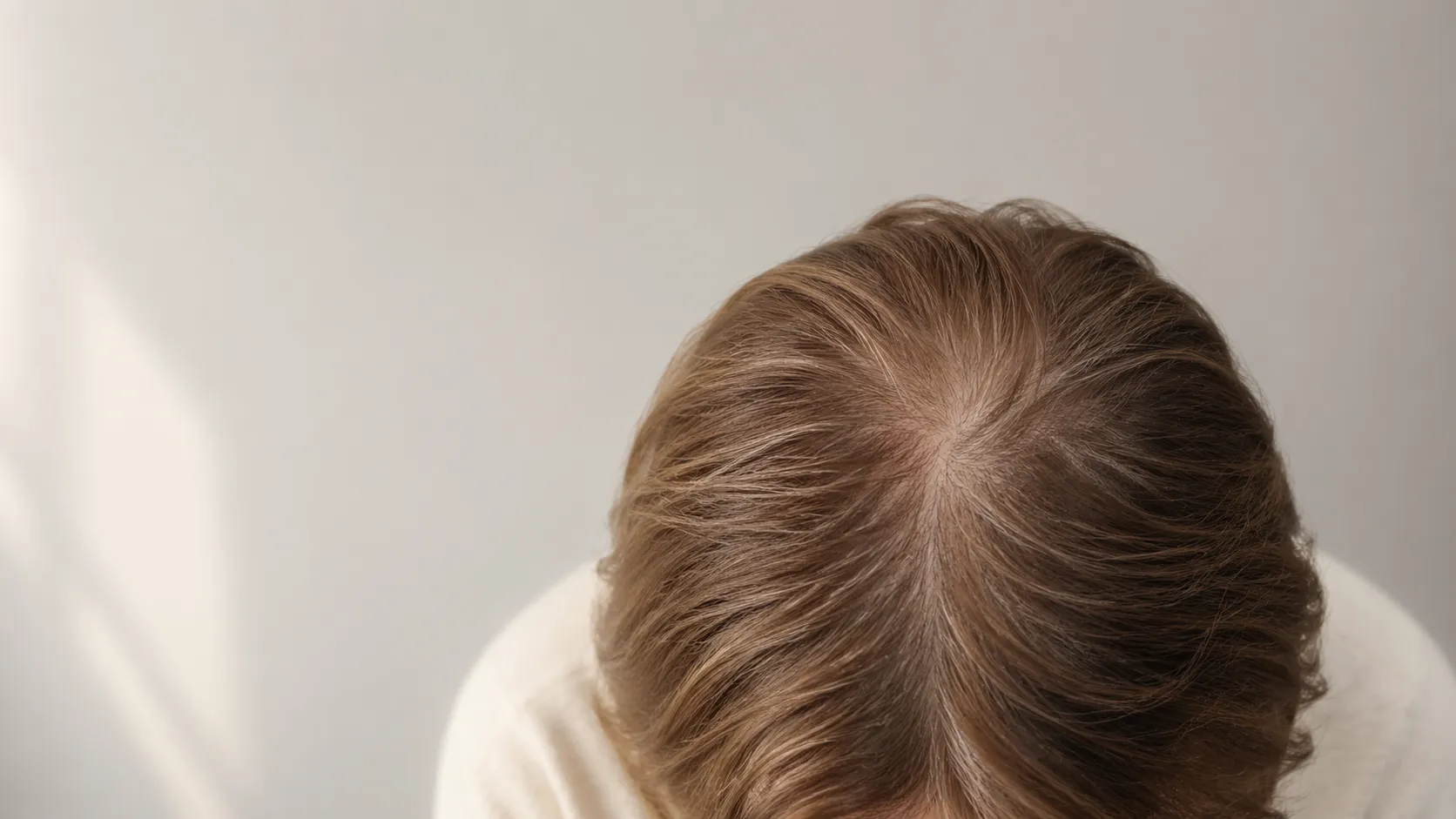
Genetics play a large role in how and when we experience thin hair. Hereditary hair loss, also known as androgenetic alopecia, is caused by a hypersensitivity to the hormone dihydrotestosterone (DHT), which damages the hair follicles and causes them to shrink. In men this is often seen as a receding hairline or bald areas on the top of the head, and the same applies to women, though with a slightly different pattern. If your parents or grandparents have had hair loss, there is an increased likelihood that you may experience it too.
Physical or psychological stress can disrupt the body's normal functions and cause hair loss. Stress can affect the hair growth cycle and push more hair follicles into the telogen phase, where they stop growing and fall out. This can happen after illness, surgery or emotional trauma. Although hair loss as a result of stress is often temporary, it can take several months before the hair returns to its normal state.
An unbalanced diet can lead to a lack of essential nutrients needed for healthy hair. A lack of iron can, for example, lead to anaemia, which reduces the blood supply to the hair follicles. Likewise, low protein intake can affect keratin production, which is responsible for strong hair. Vitamins such as biotin (B7), vitamin D and zinc are also essential for maintaining hair strength and growth.
As we get older, the hair's structure and growth cycle change. The hair follicles produce fewer and finer strands of hair, which results in an overall thinning. In addition, pigment production may decline, which turns the hair grey. Age-related hair loss is normal, but it can be accelerated by factors such as poor blood circulation and lifestyle choices throughout life.
A healthy scalp is crucial for strong and full hair. Problems such as dandruff, psoriasis or seborrhoeic dermatitis can irritate the scalp, clog the pores and affect the health of the hair follicles. If the scalp is red, itchy or irritated, it can weaken the hair follicles and lead to hair loss. A poor scalp can also make it harder for the hair to grow back after natural hair loss.
Frequent use of heat tools such as straighteners, curling irons and hairdryers can cause heat damage to the hair, which makes it weaker and more prone to breaking. Chemical treatments such as colouring, bleaching and perming can also damage the hair's structure and lead to thinner hair over time. In addition, tight hairstyles such as ponytails and braids can pull on the hair roots and result in a condition called traction alopecia.
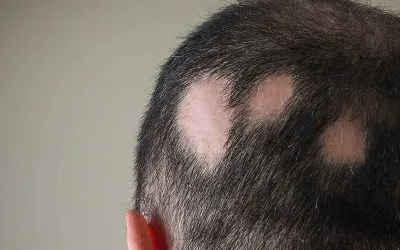
Several medical conditions can lead to hair loss. For example, polycystic ovary syndrome (PCOS) can cause hormonal imbalances that result in both hair loss on the head and increased hair growth elsewhere on the body. Lupus, an autoimmune disease, can also lead to hair loss, either as a result of the disease itself or as a side effect of medication. Alopecia areata, another autoimmune disorder, causes the body's immune system to attack the hair follicles, which can lead to patchy hair loss.
Certain medicines have hair loss as a side effect. Chemotherapy is a well-known example, where the medication affects rapidly growing cells, including the hair follicles. But medicines for high blood pressure, antidepressants, hormonal contraceptives and medication for arthritis can also affect the health of the hair. If you experience hair loss as a side effect, you should talk to your doctor about alternative treatment options.
Hair depends on a steady supply of oxygen and nutrients through the blood. Poor blood circulation can reduce the amount of nourishment that reaches the hair follicles, which can lead to the hair becoming thinner. Factors such as a sedentary lifestyle, smoking and certain health problems can worsen the blood circulation in the scalp. Regular scalp massage and exercise can help improve blood circulation and promote healthy hair growth.
There are many ways to treat and prevent thin hair, and the solution often depends on the underlying cause. Some of the most effective treatment options available are hair transplantation, V2X treatment and PRP treatment. In this section you will learn more about what each treatment involves, and what works best for your hair situation.
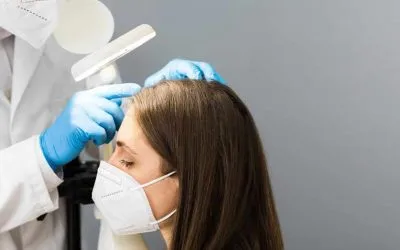
NOTE: If you need guidance or would like an authorised hair specialist to examine you, then book a free and non-binding consultation.
Read about our suggestions for some thorough and effective methods to tackle the problem and improve the health of your hair.
Hair health starts from within, and a nutrient-rich diet is crucial for strengthening the hair follicles. Make sure your daily diet contains:
Drinking plenty of water is also important, as a dehydrated scalp can lead to dry and brittle hair.
Hair products with harsh chemicals can damage both hair and scalp. Choose a gentle shampoo and conditioner that is free from sulphates, parabens and silicones. Products that are specifically formulated for thin hair often contain ingredients such as keratin, biotin and caffeine, which can strengthen the hair strands and promote growth. Avoid excessive washing, as it can dry out the hair – 2-3 times a week is often enough.
The scalp is the foundation for healthy hair. An irritated or dry scalp can lead to thinner hair, so it is important to care for it:
Stress can lead to telogen effluvium, where more hair follicles than normal enter a resting phase and fall out. Reducing stress can therefore be an important part of the treatment. Here are some strategies:
If thin hair is caused by medical or hormonal problems, medical treatments may be necessary:
Read more about PRP treatment here
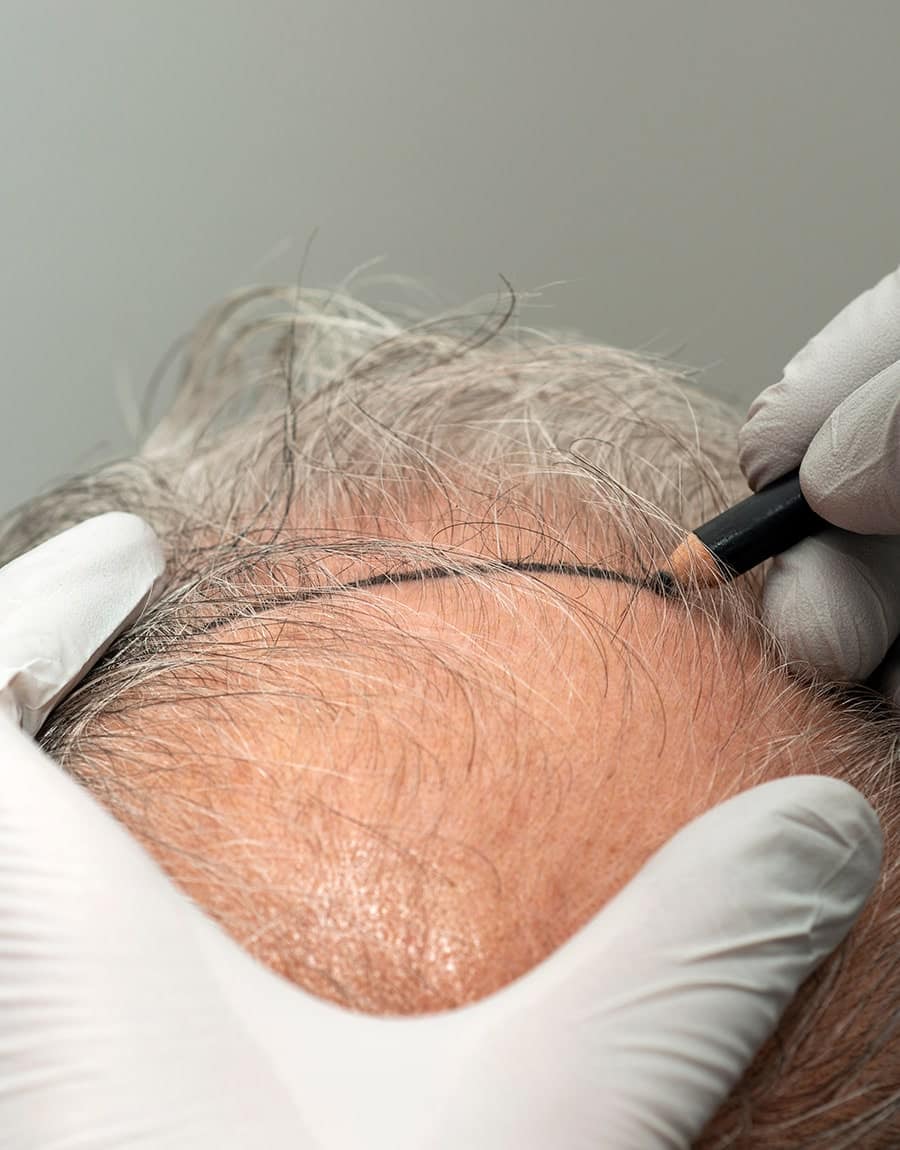
A hair transplant can be a permanent solution for many who experience advanced hair loss. The procedure involves moving hair follicles from a donor area (often the back of the head) to areas with thin hair.
Read more about hair transplantation here
Laser therapy at a low level (Low-Level Laser Therapy, LLLT) is a non-invasive treatment that stimulates blood circulation in the scalp and promotes hair growth. This treatment can be carried out at a clinic or at home using laser helmets or combs. It requires regular use over several months to achieve visible results.
V2X treatment V2X is an advanced treatment that stimulates the cells around the hair roots and supplies important nutrients to reduce hair loss and strengthen the growth of healthy and strong hair. The treatment is recognised as an effective solution against hair loss and is well documented with a high success rate.
Although a healthy diet is important, supplements can help fill nutritional gaps. Biotin, vitamin D, collagen and omega-3 fatty acids are among the most popular supplements for promoting healthy hair growth. Talk to a doctor or dietitian to find the right supplements for you.
If home solutions do not produce results, you may consider professional treatments. A dermatologist or trichologist can diagnose the cause of your hair loss and recommend targeted treatments. This could, for example, be a hair transplant.
If your hair loss is sudden, you should consult your own doctor. Some causes of hair loss may be due to underlying health problems that require treatment.
Thin hair can be a challenge, but with the right approach and treatment it is possible to slow down hair loss and rebuild fullness and self-confidence.
At Pilorum Hårklinik we are specialists in advanced hair treatments that help you regain strong and full hair, without surgical procedures.
Do you dream of having full hair again and regaining your self-confidence? At Pilorum Hårklinik we are experts in hair transplantation and offer tailored treatments that help you get your hair back. Our experienced specialists use the latest techniques, which ensure natural and long-lasting results.
Let us help you on the journey towards healthy and full hair. Book a free consultation today and find out how we can make a difference for you!
In the vast majority of cases of male hair loss there will be great success with a treatment of the hair loss, and there will be a remarkable restoration of hair production. The results will of course always depend on how advanced the hair loss is, and how quickly the process has progressed. In some cases treatment will cause a stabilisation of the hair loss, which is also a success for an otherwise aggressive hair loss.
Book a free 15-min consultation — no obligations, just an honest assessment of your situation and options.