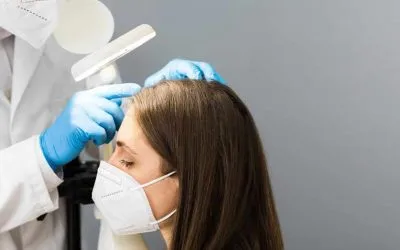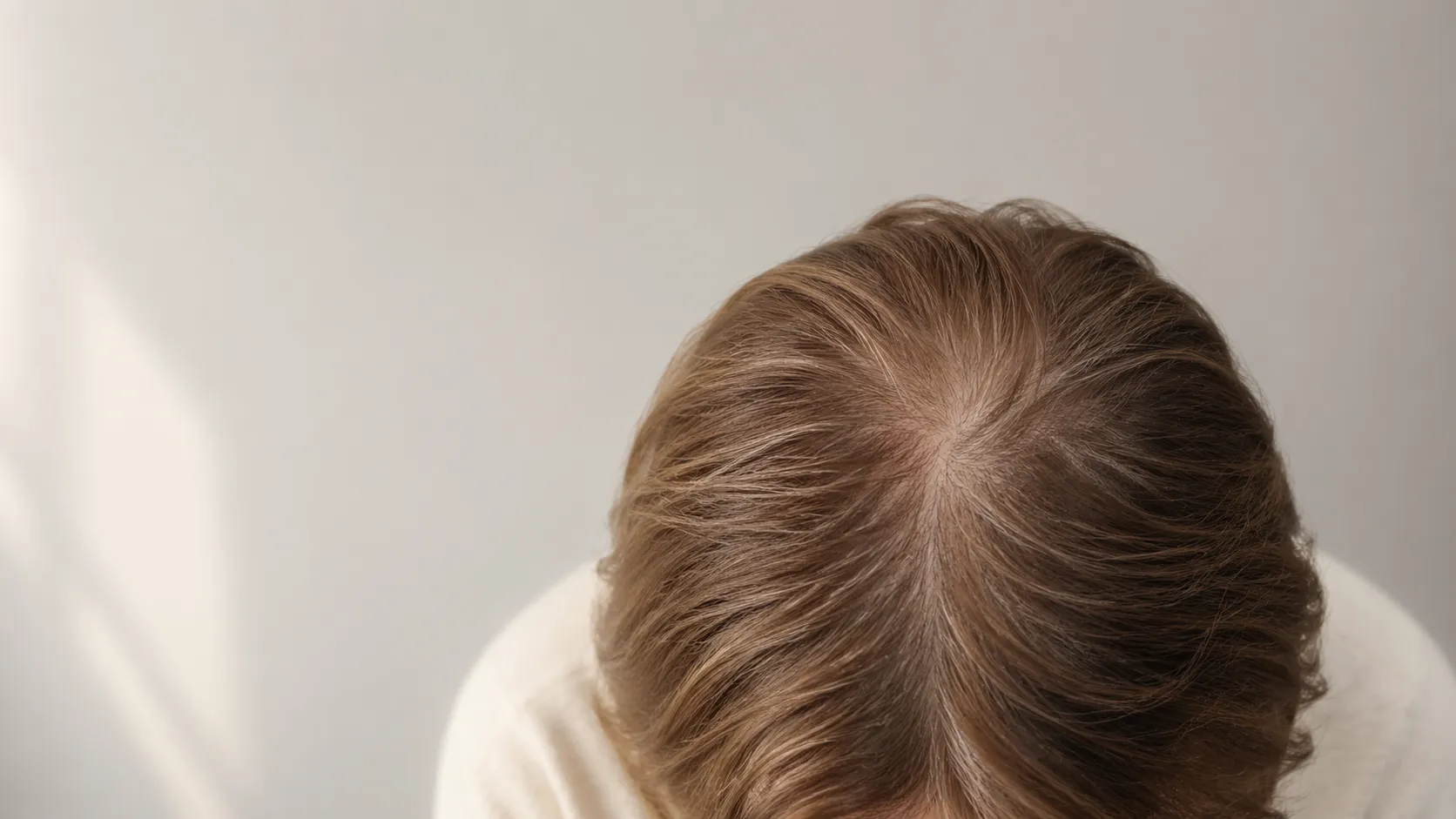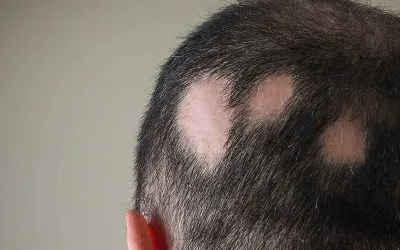

Finasteride and minoxidil are the only two preparations approved by the FDA for the treatment of hair loss. Biotin is often mentioned in the same context, but the evidence base is different.
Learn about the three most commonly used remedies for hair loss: finasteride, minoxidil and biotin. What works, who are they for, and what does the research say?
Hair loss can be treated in many ways. For those who want a medical approach, finasteride and minoxidil are the only two preparations approved by the US health authority FDA for the treatment of hair loss. Biotin is often mentioned in the same context, but the evidence base is different. Here we go through all three.
Finasteride is the most widely used prescription medicine for androgenetic hair loss, that is, the classic hereditary hair loss in men. It comes as a tablet for daily oral intake and is approved exclusively for men.
Finasteride blocks the enzyme 5-alpha-reductase, which converts testosterone into dihydrotestosterone (DHT). DHT is the hormone that, in genetically predisposed men, gradually attacks the hair follicles and causes them to shrink. By lowering the DHT level in the body, finasteride slows this process and preserves the existing hair follicles.
Clinical studies show that regular use for one year stops the visible hair loss in around 85 per cent of users. After two years, approximately 66 per cent experience measurable hair growth, while approximately 42 per cent see a visible improvement. The effect requires continuous use. If you stop taking finasteride, the DHT level will rise again and the hair loss typically resumes within 6-12 months.
Approximately 2 per cent of users report sexual side effects in the form of reduced libido or altered sperm quality. These are usually reversible on discontinuation. Finasteride is not approved for women, and pregnant women should not handle crushed tablets at all, as the active substance can be absorbed through the skin and affect an unborn foetus.
Minoxidil was the first remedy the FDA approved for hair loss and is available today as a lotion, solution and foam for application to the scalp. It comes in two strengths: 2 per cent, which is primarily used for women, and 5 per cent, which is the recommended strength for men.
Minoxidil's exact mechanism of action is not fully mapped, but it is thought to extend the hair's growth phase (the anagen phase), increase the blood flow to the hair follicles and thereby strengthen and thicken the existing hairs. It does not stop the DHT production and therefore does not address the root cause of androgenetic hair loss, but it can slow the loss and stimulate new growth.
The maximum effect is typically seen after 6 to 24 months. Continuous use is crucial: if you stop, the hair loss will return to its original level within about 3 months, and the lost hair cannot be regained. Minoxidil and finasteride are often used in combination, as they complement each other by attacking the hair loss in two different ways.
Topical minoxidil is generally well tolerated. The most common side effects are irritation, itching and dryness of the scalp. Unwanted hair growth on the face can occur, typically if the product runs down. Oral minoxidil, given in a low dose for hair loss, is increasingly used, but requires medical assessment and follow-up.
Biotin is a water-soluble B vitamin (B7) that plays a role in a number of metabolic processes in the body, including fat metabolism and protein synthesis. It is heavily marketed as a remedy for hair loss, and here it is important to distinguish.
With a genuine biotin deficiency, which is relatively rare, biotin supplements can restore hair and nail quality. The evidence that biotin improves hair and nails in people without a deficiency is, on the other hand, weak. Most studies are small, short-term and without a control group. Biotin should not be regarded as a standalone remedy for hair loss in a clinical sense.
Biotin can be relevant as a supplement if you know or suspect that you have a biotin deficiency. A blood test can clarify this. If you have no deficiency, there is no basis for expecting a visible effect on the hair loss, regardless of what the product packaging promises.
Note: Medical treatment of hair loss should always take place in consultation with a doctor or specialised clinic. At Pilorum we offer free consultations, where we assess your situation and recommend the right approach for your specific hair loss.
Book a free 15-min consultation — no obligations, just an honest assessment of your situation and options.