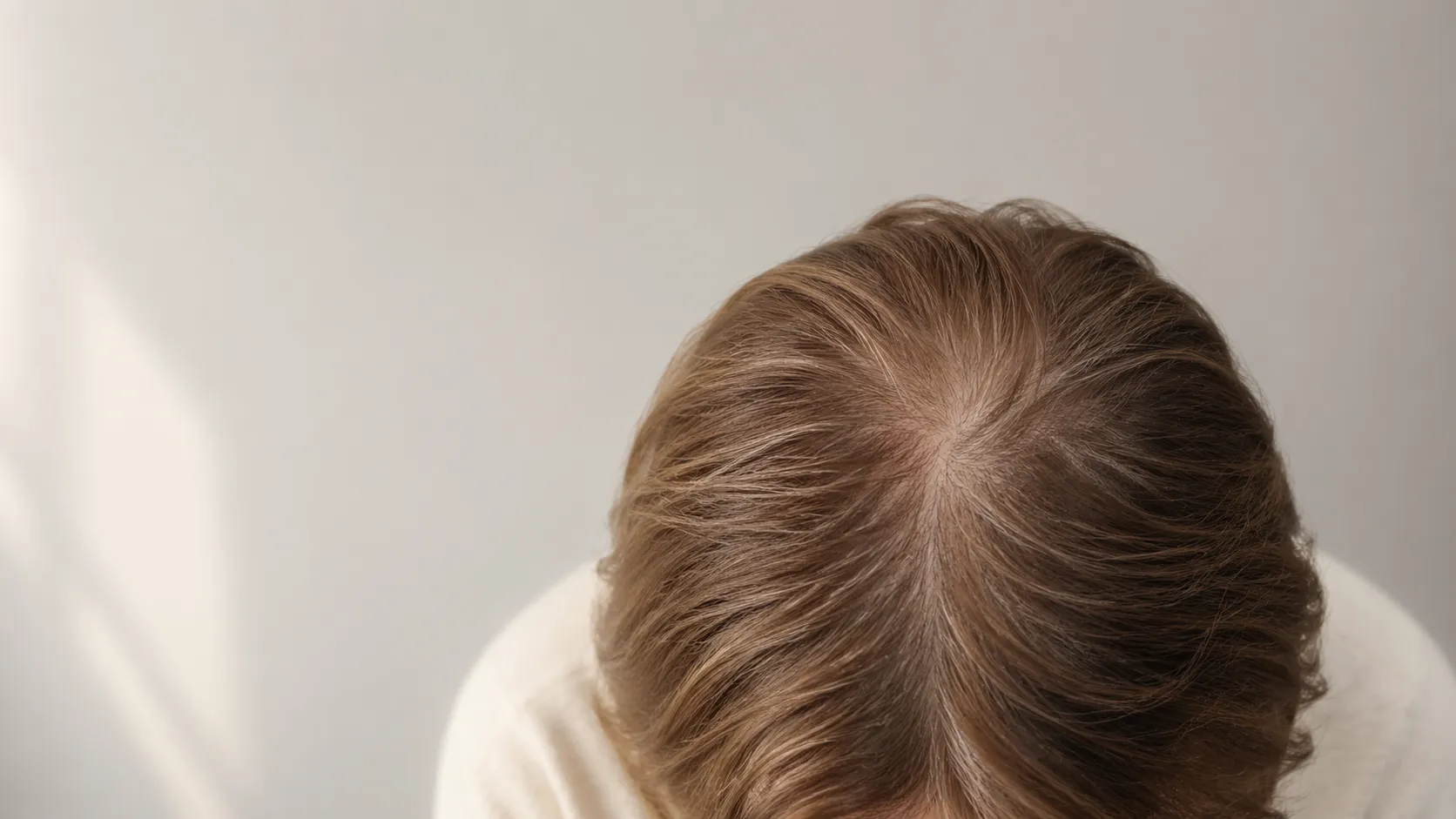

Most people lose between 50 and 100 hairs a day. That sounds like a lot, but put it in perspective: an average head has between 90,000 and 150,000 hairs.
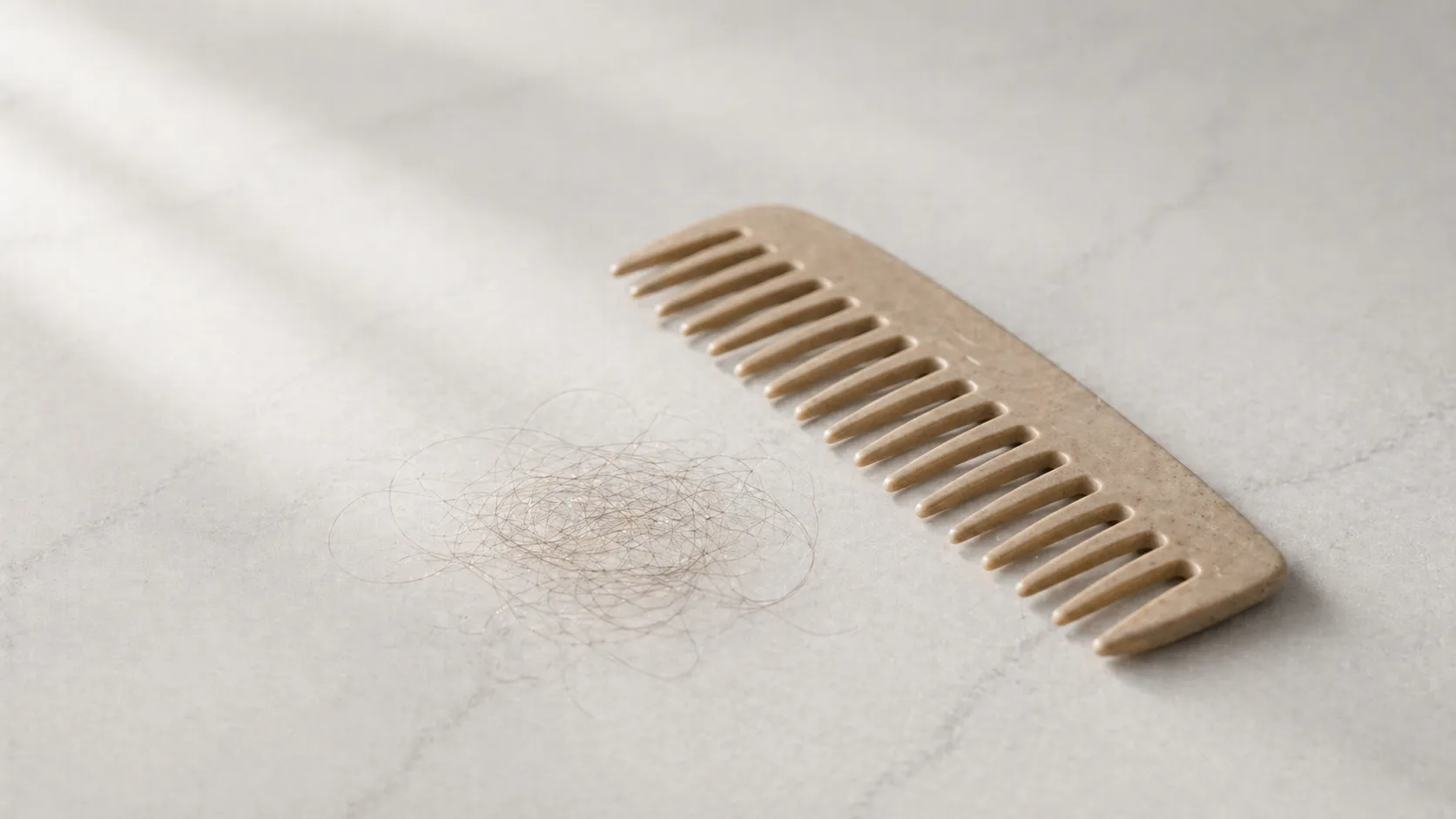
We all lose hair every day. But when is it too much? Learn what normal hair loss is, what the hair's life cycle means, and when you should seek help.
You see hair in the drain, on the pillow, in the brush. It can quickly feel like a problem. But it is actually rarely a sign of something wrong. Losing hair is a completely normal and necessary part of the body's biological processes. The question is simply when the normal stops and something else begins.
Most people lose between 50 and 100 hairs a day. That may sound like a lot, but put it in perspective: an average head has between 90,000 and 150,000 hairs. The daily loss therefore amounts to less than a thousandth of the total amount.
The number varies naturally. If you wash your hair rarely, you will lose more hairs on washing day, because loose hairs gather. If you have long hair, it looks like more than it is. In autumn many people lose slightly more hairs than normal, probably as a response to changes in light. All of this is within the normal.
Each individual hair goes through three phases independently of the other hairs on your head.
Here the hair grows actively. The phase typically lasts 3 to 6 years and determines how long your hair can become. On a healthy head, around 85 to 90 per cent of all hairs are in this phase at the same time.
A short transition period of 2 to 3 weeks, where the hair stops growing and detaches from the hair follicle. Only about 1 per cent of the hair is in this phase at a time.
The hair rests for about 3 months before it falls out and is replaced by a new hair from below. Normally 10 to 15 per cent of the hair is in this phase. When too many hairs switch to the telogen phase at once, e.g. after stress, illness or childbirth, a sudden increased hair loss called telogen effluvium occurs.
Hair loss becomes worrying when it happens persistently and is not replaced by new hair. Concrete signs you should pay attention to:
You consistently lose markedly more than 100 hairs a day over several weeks.
You can see that the hair has become thinner in certain areas or generally.
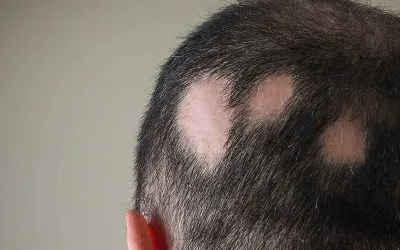
The hairline is moving or patches without hair appear.
New hair does not grow back, or the new hair is thinner than the lost hair.
The hair loss came suddenly and without an obvious explanation.
Be aware that hair loss often starts a long time before it becomes visible. A hair follicle can shrink for years before it results in a visibly thin area. The earlier you act, the more hair can be preserved.
The first step is to find the cause. Hair loss can be due to genetics, stress, vitamin deficiency, hormonal changes, medication or autoimmune conditions, and the treatment is widely different depending on what lies behind it.
A thorough hair analysis at a specialised clinic can map out exactly what is happening with your scalp and your hair follicles, and form the basis for a targeted treatment. Waiting and seeing rarely gives better results and can in some cases make the problem harder to treat.
Book a free 15-min consultation — no obligations, just an honest assessment of your situation and options.